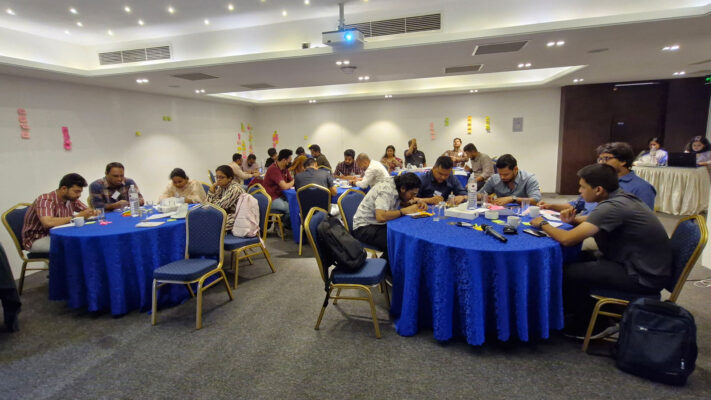
Dhaka, 10 August 2026. Userhub delivered a two-day Human-Centered Product Thinking workshop for professionals from bKash Limited’s Product & Technology teams on 8–9 August 2026 at Lakeshore Heights, Dhaka.
Led by Wahid bin Ahsan, Co-founder and Managing Director of Userhub, the in-person workshop focused on strengthening how product professionals question assumptions, understand user situations, frame problems, explore alternative directions, and bring different perspectives into product decision-making.
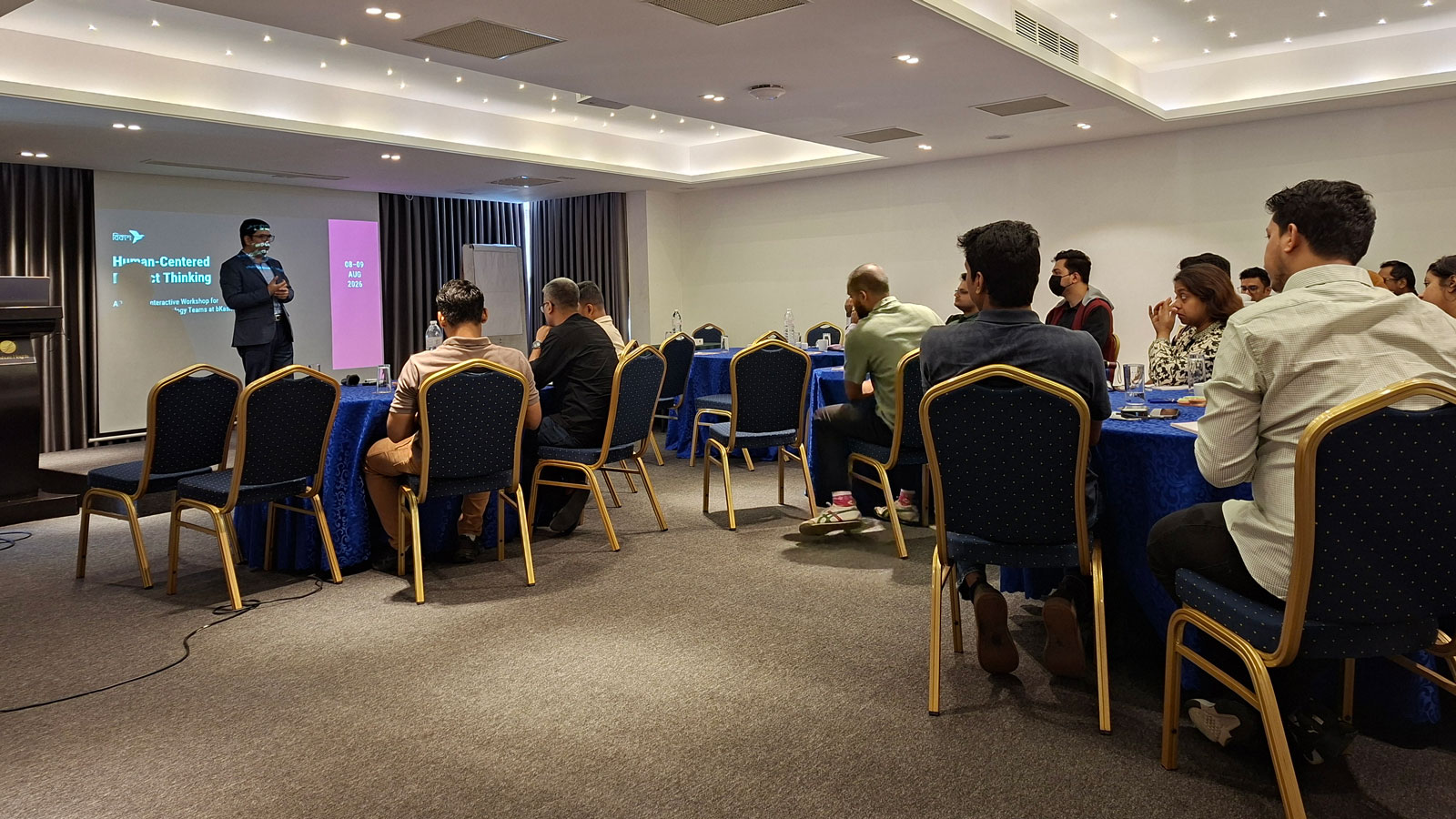
Looking beyond visible product signals
Product teams work with many forms of information, including user actions, drop-offs, complaints, operational signals, and performance data. These signals can indicate what happened, but they do not always explain why it happened or what mattered most to the user.
The workshop encouraged participants to distinguish between what is known, what is being interpreted, and what still requires evidence. Discussions focused on understanding the wider situation surrounding a product interaction rather than treating an observable behavior as a complete explanation of user needs.
A central theme throughout the workshop was that human-centered product decisions require more than responding to the most visible signal or immediately moving toward a solution.
From understanding problems to exploring product directions
Across the two days, participants examined how assumptions, context, user priorities, and different professional perspectives can shape the way a product problem is understood.
The workshop then moved from understanding toward application. Participants explored multiple possible responses to user problems, compared alternative product directions, and considered their implications before making a more deliberate choice.
Rather than presenting human-centered thinking as a rigid process, the workshop emphasized transferable reasoning habits that can support everyday product decisions.
These include questioning initial assumptions, considering what is happening around the user, clarifying what matters most, exploring alternatives before committing to a direction, and identifying what still needs to be learned.
Strengthening decisions through different perspectives
Product decisions rarely belong to a single discipline.
The workshop brought together different product, technology, data, operational, and analytical perspectives within collaborative discussions. Participants considered how a direction that appears reasonable from one perspective may reveal different dependencies, uncertainties, or user implications when examined from another.
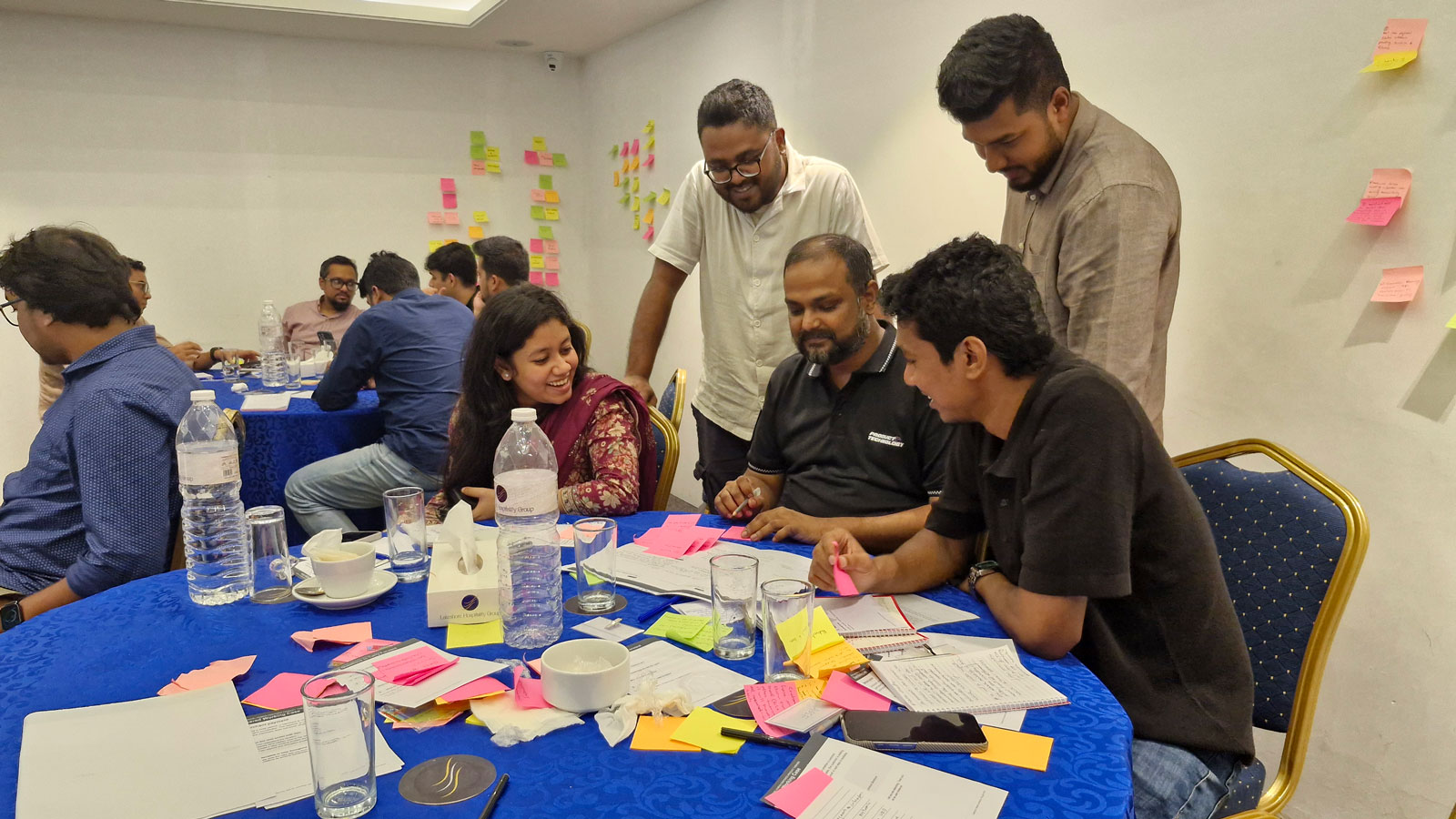
This cross-functional perspective was used not simply to generate more ideas, but to strengthen the reasoning behind a product direction before moving toward commitment.
Human-centered product thinking and the role of user research
The workshop concluded with an important distinction between human-centered product thinking and user research.
Human-centered approaches can help teams make assumptions visible, consider context, ask better questions, and reason more deliberately about product decisions. They cannot establish what users actually experience, understand, need, or value when direct evidence is unavailable.
Where evidence is missing, interpretations should therefore remain working hypotheses rather than being treated as user evidence.
User research remains essential when teams need to understand real behavior, motivations, barriers, expectations, trust, context, or the consequences of product decisions in actual use.
This distinction reflects Userhub’s broader approach to evidence-informed product and service work: human-centered thinking can improve the questions teams ask, while research helps determine whether assumptions correspond with user reality.
The workshop forms part of Userhub’s broader work across UX strategy, human-centered research, product thinking, accessibility, and professional capability development.
Through research, workshops, and advisory engagements, Userhub works with organizations to strengthen the connection between product decisions, user realities, and evidence.